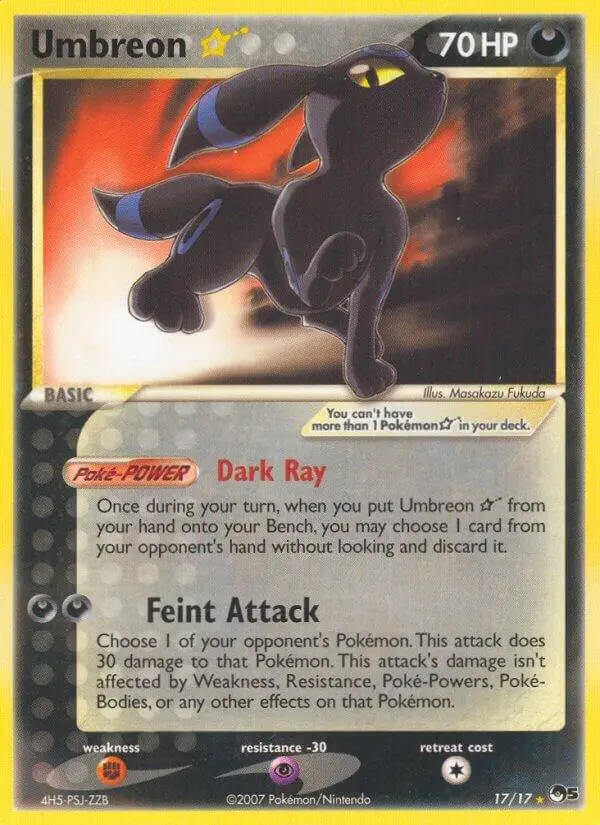
Umbreon Star
Quick take
- POP Series 5 was a Pokemon League exclusive, never sold in stores
- One of only two Gold Stars in the set, alongside Espeon
- Pull rate around 1 in 40 packs, on a product almost nobody could buy in bulk
- The original high-end Umbreon chase, years before Moonbreon
Collector's readWhat it means for your master set
Set landscapeWhere this card sits in POP Series 5
The storyThe Umbreon chase before Moonbreon
Collectors who chase Umbreon today usually start with Moonbreon. The people who were around in 2007 started here. POP Series 5 was an organized-play set, you got the packs from running or playing in Pokemon League events, not off a shelf. The print run was small and the distribution was scattered across game stores and league venues.
“POP Series 5 was a Pokemon League exclusive, never sold in stores”
Umbreon and Espeon were the two Gold Stars in the set, and they became the cards everyone wanted. Pulling one took roughly forty packs, and the packs were never easy to come by. That combination, a low pull rate on a product almost no one could buy in bulk, is why sealed POP 5 packs and the loose Gold Stars both command serious money.
Umbreon has carried Eeveelution demand for two decades, and this is the most expensive place that demand shows up. It set the template that Evolving Skies and Prismatic Evolutions later cashed in on.
By the numbersMarket analysis
Sits at the top of the Eeveelution Gold Star market, ahead of its Espeon counterpart. Raw copies trade in the four figures, and clean graded examples reach the five figures. Condition swings the price hard, because survivors of a 2007 league product are rarely sharp.
Climbed through the vintage boom and held most of those gains. POP 5 supply does not grow, and every Umbreon wave in the modern game pulls attention back to the early cards. The card tracks vintage Eeveelution demand more than the broader market.
Supply is fixed and the audience keeps growing as newer collectors discover the older Umbreon cards. The real risk is condition, a high price on a card that is hard to find clean. Graded copies carry the safer long-term position.
Large. Clean graded copies trade well above raw, and the gap widens at the top grade because sharp survivors are scarce. Centering and surface are the usual bottlenecks on a card this age.
POP Series 5 Gold Stars pulled at roughly 1 in 40 packs, and the packs only came through Pokemon League organized play. The real difficulty was getting the packs at all, not just beating the odds inside them.
Rarer in practice than the EX-set Gold Stars, which at least shipped in retail boosters at about 1 per two boxes. POP 5 had no retail release, which is why its two Gold Stars outprice most of the standard Gold Star run.
ArtworkWhy the art matters

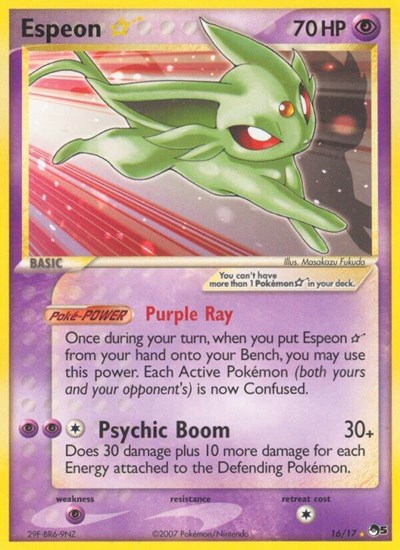
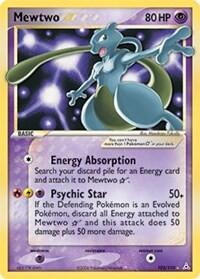
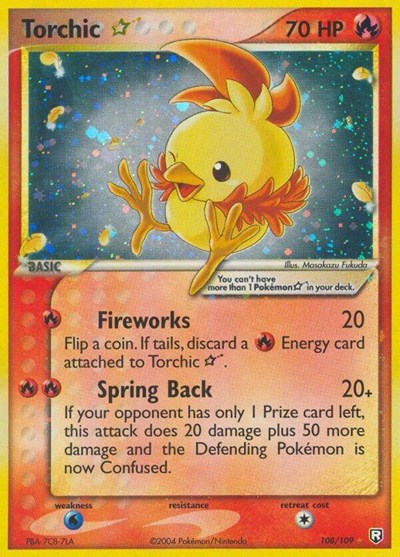
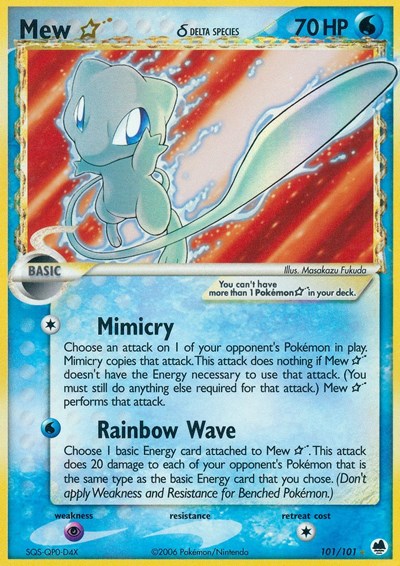
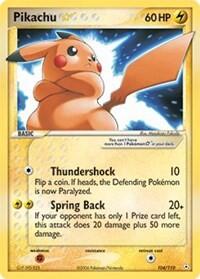
Masakazu Fukuda illustrated most of the Gold Star Pokemon, including the other four cards in this group. His Gold Star work leans into the shiny coloring and gives each Pokemon a clean, poster-like presence rather than a busy battle scene.
Shiny Umbreon, so the rings glow gold instead of the usual yellow, set against a dark background that lets the foil carry the card. The pose is calm, which suits the Pokemon.
Rare Holo Gold Star printing, with the gold star next to the name and the holofoil pattern of the era. The shiny coloring is the giveaway, this is not the standard Umbreon palette.
Shiny Umbreon on a league-only card is about as close to a perfect storm of demand as the vintage game gets. The Pokemon people want most, in its rarest early form.
BackgroundAbout Umbreon Star
Umbreon arrived in Gold and Silver in 1999 as the Dark-type Eeveelution, evolving from Eevee with high friendship at night. New mechanics and a new type at once, and the design landed immediately.
- ›Black and gold design that reads well at any age
- ›Dark-type edge that stands out among the Eeveelutions
- ›Long run as a fan favorite across games and merch
- ›Consistent top placement in Eeveelution popularity polls
- ›Debuted in Pokemon Gold and Silver (1999)
- ›Recurring feature in Pokemon GO events
- ›Headline subject of premium TCG cards across multiple eras
The POP 5 card is a display piece, not a tournament card. Its value is entirely collector-driven.
Own it wellCollector guide
Expect the usual vintage problems, edge whitening, surface scratches on the holo, and centering drift. League products from 2007 were not treated as investments at the time, so clean copies are genuinely scarce.
Grade anything clean. The premium for high grades is large and authentication matters at this price. PSA is the standard for vintage Pokemon and has the deepest comp data for this card. Read the grading guide →
Penny sleeve plus a rigid holder at minimum for raw copies. For long holds, a graded slab is the safest option given the value and the age. Keep it out of light and away from humidity swings. See the storage guide →
Buy graded. At this value the authentication and condition risk on raw copies is not worth it for most collectors. eBay has the deepest graded pool, and auction comps tell you the real number better than fixed listings. See the singles buying guide →
Gold Stars are among the most counterfeited vintage cards, so verify before buying. Use the light test (genuine cards have a black core layer that blocks light), check the texture and holo behavior, and compare the blue swirl gradient on the back against a known copy. For any serious money, buy a graded slab from PSA, CGC, or BGS.
Protect your card
High Chase Score — protect and consider grading. · Amazon affiliate links · Storage guideWord on the streetCommunity sentiment
Treated as a grail. Among vintage Eeveelution collectors it is the card, and the modern Umbreon wave has only pushed more attention onto it.
- ›Clean graded copies trade in the five figures at major auction houses
- ›Sealed POP 5 packs themselves sell for serious money, largely because of these two cards
Shows up in every 'most expensive Eeveelution' and 'rarest Umbreon' conversation. The Moonbreon era introduced a new generation to it, and a lot of those collectors work backward to this card eventually.
Good to knowFrequently asked questions
Keep collectingRelated cards


Plan your Other POP Series 5 master set
Track every card, see what you're missing, and lay out your binder page by page.