Rayquaza Shiny
Quick take
- Part of the eleven-card SL shiny subset, the chase cards of Call of Legends
- From the final English set of the HeartGold & SoulSilver era
- Rayquaza's broad popularity pulls demand from beyond this set's own fans
- Sits in the upper tier of the SL shinies, behind the Lugia headliner
Collector's readWhat it means for your master set
Set landscapeWhere this card sits in Call of Legends
VariantsCard variants
Holofoil SL10 · $750.00 — the only variant this card was printed in (no reverse holo or special pattern), so a master set needs just this one copy.
The storyA retro shiny dragon from the set that ended an era
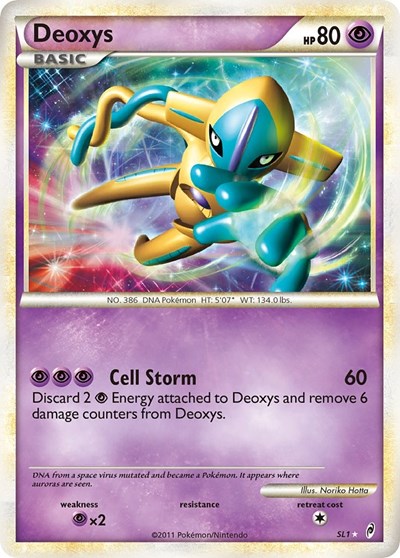
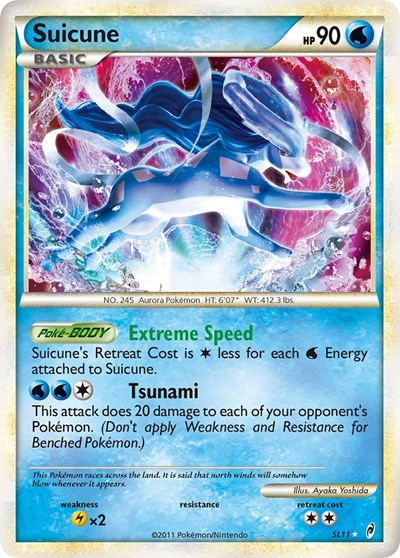
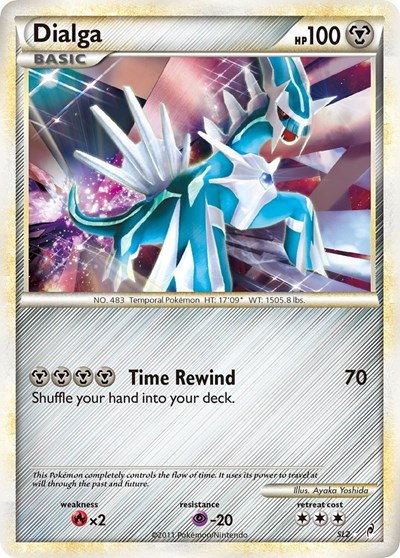
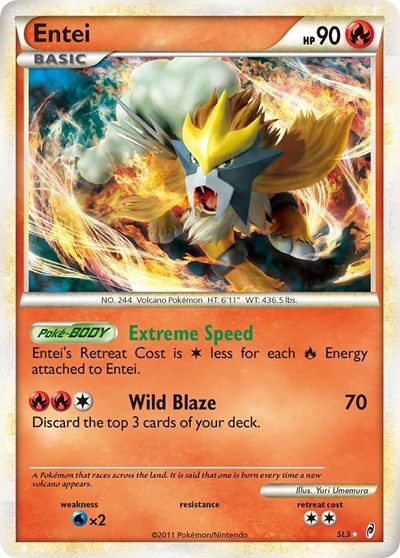
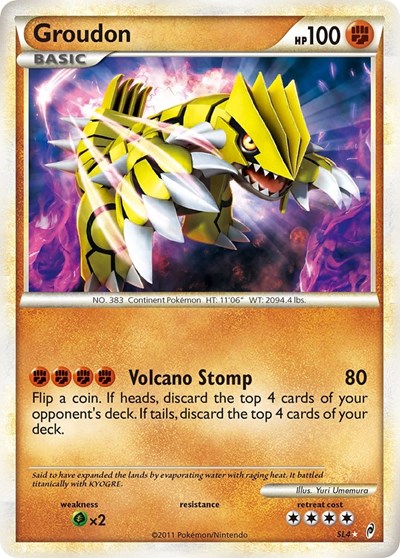
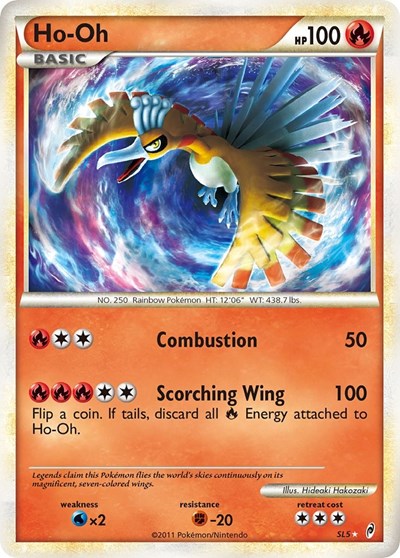
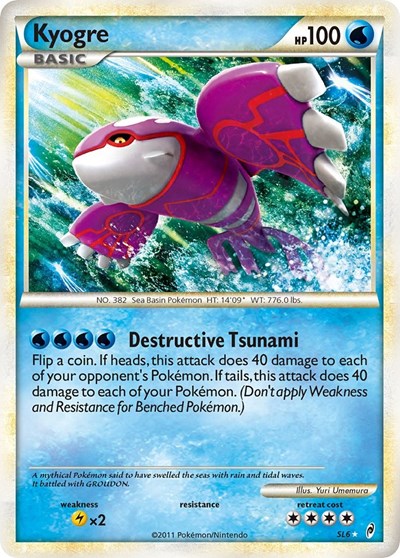
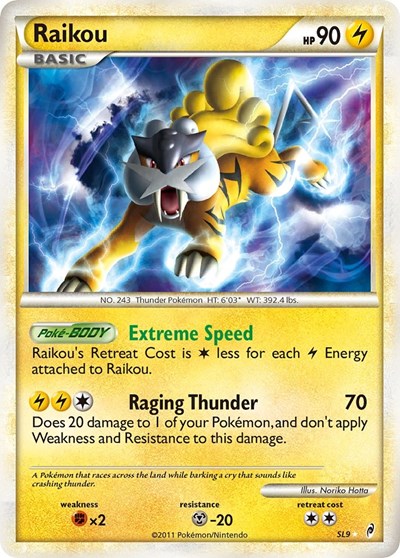
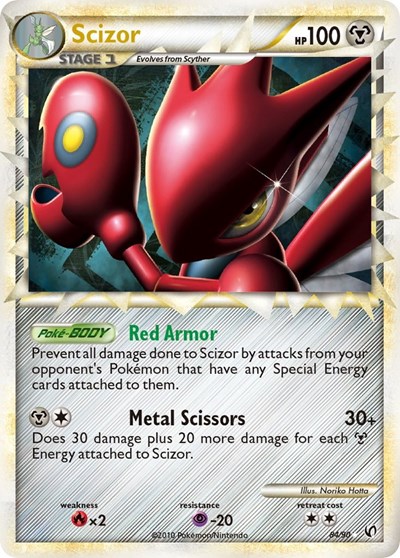
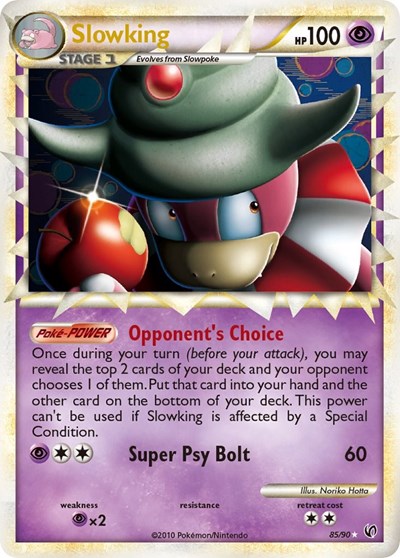
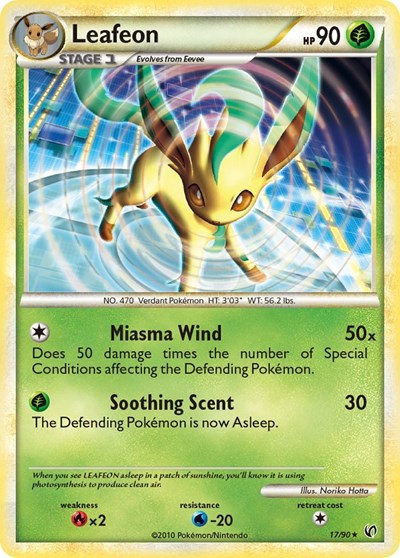
Call of Legends is a strange, beloved little set. It came out in February 2011 as the last English release of the HeartGold & SoulSilver block, and most of its value lives in eleven cards: the SL shiny subset, SL1 through SL11. These are shiny versions of Legendary Pokemon, from Entei and Raikou to Lugia and Ho-Oh, and they were the chase of the set. Rayquaza is SL10, and it sits near the top of the want lists for that subset.
“Part of the eleven-card SL shiny subset, the chase cards of Call of Legends”
The appeal is simple. This is a shiny Rayquaza done in a clean, restrained style, before the modern alt-art machine existed. The set leaned away from busy reverse-holo noise and put the Pokemon front and center, so the shiny treatment reads as the main event rather than a texture effect. Collectors who chase shinies treat the SL cards as a tidy eleven-card goal, and Rayquaza is one of the cards people single out by name.
For master-set builders, the SL subset is the reason Call of Legends matters. You can finish the commons and rares without much pain. The shinies are where the time and money go, and Rayquaza is one of the harder, pricier members of that group, sitting just behind the Lugia that headlines the set.
By the numbersMarket analysis
Rayquaza sits in the upper half of the SL subset by value, comfortably into three figures for a clean raw copy. It trails the Lugia, which is the runaway headliner of the set, but it is well above the cheaper SL cards.
Prices for the SL shinies have ground upward over the long run as the set ages and supply thins. Rayquaza specifically benefits from its name carrying weight far beyond this one card, so demand does not depend on Call of Legends nostalgia alone.
Steady rather than explosive. The card has the two things that age well: a marquee Pokemon and a fixed, non-reprinted supply. Condition is the swing factor, since 2011 holos are prone to wear.
High grades command a clear premium over raw, and the gap widens at gem mint because edge whitening and surface scratches are common on these holos. Mid grades trade much closer to raw.
Call of Legends is an older HeartGold & SoulSilver-era set, so it predates the Scarlet & Violet rarity ladder and its modern odds. Booster reports for the set point to roughly one or two SL shinies per booster box, with shiny pulls landing on the order of one every several packs. Because the subset has eleven different cards, the odds of pulling Rayquaza specifically run much longer than the odds of pulling any shiny, so completing the subset by ripping packs is slow and expensive. For a single target card like this one, the singles market is almost always cheaper and faster than chasing it in sealed product.
Within the SL subset, Rayquaza is one of the more sought-after cards, behind the Lugia headliner but ahead of most of the rest. Compared with the common holos in the set, the SL shinies are on a different tier entirely.
ArtworkWhy the art matters

Noriko Hotta is a longtime Pokemon TCG illustrator with credits going back across earlier eras. Her work tends toward clean, readable compositions rather than heavy effects, which fits the understated look Call of Legends went for.
Rayquaza coils through the upper sky, the setting that matches its Pokedex line about flying in the ozone layer where almost no one has seen it. In the standard print the dragon is its usual green. The SL10 shiny flips that palette to the alternate coloring, giving you a darker, near-black Rayquaza against the sky, which is what makes the shiny version pop next to a regular holo.
Colorless Basic Pokemon, 100 HP, with the single attack Inferno Spear: two Fire and two Lightning energy for 100 damage, discarding a Fire and a Lightning energy. Retreat cost of two. The SL print carries the shiny holo treatment across the artwork box.
It is a shiny Rayquaza from a set that was basically designed to show off its shinies. The color swap plus the sky composition gives it more presence than a lot of its SL subset siblings, and Rayquaza's standing as a chase Pokemon across every era does the rest.
BackgroundAbout Rayquaza Shiny
Rayquaza is the Sky High Pokemon and the cover legend of Pokemon Emerald, a Dragon-Flying type tied to the Hoenn weather trio. It has stayed one of the most popular Legendaries in the franchise across games, anime, and the TCG, which keeps demand for any strong Rayquaza card high.
- ›One of the most recognizable Legendary Pokemon in the series
- ›Long history of desirable TCG cards, from this SL shiny through later Gold Stars and alt arts
- ›The shiny color swap is a striking near-black look fans specifically hunt
- ›Cover legend of Pokemon Emerald and a central figure in the Hoenn weather-trio story
- ›Featured repeatedly across Pokemon TCG sets as a chase card in multiple eras
Own it wellCollector guide
This is a 2011 holo, so treat condition as the main thing. Check the holo surface for fine scratches, watch the corners and edges for whitening, and look at centering, which is inconsistent on cards of this age. A clean raw copy is harder to find than the listings make it look.
Worth grading if the copy is genuinely clean, since the graded premium is real at the high end. For anything with visible surface wear or soft corners, grading often costs more than it adds. Buy the card you can see clearly, in hand or in sharp photos. Read the grading guide →
Sleeve and toploader at minimum, and a penny sleeve plus a semi-rigid holder for anything you may grade. Keep it out of direct light and away from humidity. For a graded slab, store flat and avoid stacking pressure on the case. See the storage guide →
For master-set builders, buy this as a single rather than ripping boxes for it. Prioritize a copy with a clean holo and tight corners over a marginally cheaper rough one, since condition drives both grade and resale here. If you are eyeing the whole SL subset, knock out the cheaper shinies first and save Rayquaza and the Lugia for when you can land good copies. See the singles buying guide →
Older Rayquaza cards are heavily faked, so verify before paying real money. Do the light test to confirm the black core layer between the front and back. Check the back swirl gradient and the print dots under magnification, feel for correct cardstock texture and weight, and watch how the holo pattern behaves when tilted against a known-genuine copy. For higher-dollar examples, buy graded from a reputable grader to take counterfeits off the table.
Protect your card
High Chase Score — protect and consider grading. · Amazon affiliate links · Storage guideWord on the streetCommunity sentiment
Collectors talk about Call of Legends as an underrated, quietly good-looking set, and the SL shinies are the reason it gets remembered. Rayquaza is one of the cards people name when they list the ones they actually want from it.
Most chatter frames the set around its shiny subset as a completion goal, with Lugia as the trophy and Rayquaza and Ho-Oh as the next names down the list. The clean, low-effects art style gets steady praise compared with busier modern sets.
Good to knowFrequently asked questions
Keep collectingRelated cards


Plan your Other Call of Legends master set
Track every card, see what you're missing, and lay out your binder page by page.